TL;DR
In-person marketing is the practice of promoting a business through face-to-face interactions, including conferences, trade shows, community events, sponsorships, product launches, workshops, and experiential activations. While digital campaigns help brands build awareness at scale, live experiences create opportunities for conversation, trust, and memorable customer experiences that often influence purchasing decisions long after the event ends.
Marketing has become incredibly efficient.
A campaign can launch in minutes, reach thousands of people before lunch, and generate a dashboard full of impressions, clicks, and conversions by the end of the day. Every interaction is measurable. Every audience can be segmented. Every campaign can be optimized.
Yet despite all of that technology, many of the moments people remember most don't happen online.
They're the conversations at a conference that spark a new partnership. The product demonstration that finally answers a customer's questions. The local festival where someone discovers a business they didn't know existed. The workshop that turns a curious attendee into a loyal customer.
That's why event marketing continues to earn a place in modern marketing strategies. According to Statista, 89% of marketers say events are critical for business growth, proving that face-to-face experiences continue to influence buying decisions alongside digital channels.
Digital marketing has transformed how brands reach people and in-person marketing continues to shape how people feel about those brands once they arrive.
Digital makes discovery easier. Live experiences make brands memorable.
Think about how you discover new brands today.
You might see a social ad during your commute. Read a product review over lunch. Watch a short video that evening. A few days later, you search Google before finally visiting the company's website.
That journey is completely normal.
Now imagine meeting that same company at a local business expo or industry conference.
Instead of another ad competing for attention, you can ask questions, see the product in action, speak with someone who knows it inside and out, and leave with a much clearer understanding of whether the business is right for you.
That's the major difference.
Digital channels are excellent at introducing brands. Live experiences give people the confidence to keep the conversation going.
For marketers, both matter because today's customer journey rarely happens in one place.
Event marketing creates experiences people actually remember
If someone asked you to remember an online ad you saw three weeks ago, you'd probably struggle.
Ask someone about a conference they attended, a networking event where they met a future client, or a community festival they enjoyed with their family, and the details are often much easier to recall.
Experiences engage people differently.
They're listening instead of scrolling. Asking questions instead of skimming headlines. Having conversations instead of clicking away after a few seconds.
That creates opportunities digital advertising can't always replicate.
Think about how different organizations use event marketing:
- A healthcare provider hosts a community wellness fair with free screenings.
- A financial institution runs educational seminars on retirement planning.
- A homebuilder invites prospective buyers to tour a new development.
- A local retailer sponsors a neighborhood festival that brings thousands of residents together.
- A B2B company hosts an executive breakfast where customers exchange ideas with industry experts.
None of these interactions feel like traditional advertising, instead, they allow brands to demonstrate expertise, answer questions, and build credibility in real time.
The best events create momentum long after they end
One of the biggest misconceptions about live events is that they sit outside the rest of a marketing strategy.
In reality, successful events are woven into everything else a brand is already doing.
A thoughtful event marketing plan starts well before attendees arrive.
It might include:
- Email invitations to existing customers
- Social media campaigns building anticipation
- Digital advertising promoting registration
- Local media coverage
- Speaker announcements
- Partner promotions
Then the event creates a completely new wave of marketing assets.
One afternoon can become weeks of content:
- Keynote presentations become blog articles.
- Customer interviews become case studies.
- Event photography fuels social campaigns.
- Panel discussions become podcast episodes.
- Video highlights extend the conversation long after everyone has gone home.
Instead of creating content from scratch every week, marketers build on genuine moments that already resonated with their audience.
Community has become one of the strongest marketing advantages
Consumers increasingly want to support organizations that are invested in the places where they live and work.
That makes local events especially valuable.
No matter if it's sponsoring a charity fundraiser, supporting a neighborhood festival, hosting a small business workshop, or partnering with a local publisher, these activities show that a company is participating in the community rather than simply advertising to it.
Those experiences shape perception over time.
People begin to associate brands with local causes, familiar faces, and positive experiences instead of just products or promotions.
For regional businesses, that familiarity often becomes a competitive advantage.
National campaigns can reach almost anyone.
Local experiences create relationships that feel much harder to replace.
Measure more than attendance
One packed event doesn't automatically translate into marketing success.
The strongest teams measure what happens before, during, and after every event.
Attendance is only one piece of the picture.
A more complete view includes metrics such as:
Audience engagement
- Event registrations
- Attendance rate
- Session participation
- Booth interactions
Marketing performance
- Website traffic after the event
- Newsletter sign-ups
- Social engagement
- Content downloads
Business outcomes
- Qualified leads
- Sales conversations
- Customer meetings booked
- Revenue influenced
Looking at these signals together helps marketers understand how events contribute to broader business goals instead of treating them as standalone activities.
Marketing works best when every touchpoint supports the next
Very few customers move from seeing an ad to making a purchase in a single step.
A more typical journey might start with a Google search or a social post, continue through a newsletter or blog article, and eventually lead to an event where someone can ask questions, meet the people behind the brand, or experience a product firsthand. Weeks later, they may return after seeing another piece of content or receiving a follow-up email.
No single interaction deserves all the credit.
Buying decisions are shaped by a series of experiences that build familiarity over time. Every conversation, campaign, article, event, and advertisement contributes to how a brand is perceived.
For that reason, many marketers plan campaigns around the entire customer journey rather than treating each channel as a separate initiative. Digital advertising introduces new audiences to a brand, while live experiences create opportunities for meaningful conversations that build confidence and trust. When those efforts work together, customers enjoy a more consistent experience from first impression through to purchase (and well beyond it).
Bring your brand to life with AJC Ads
Some marketing goals are easier to achieve when audiences can experience your brand firsthand.
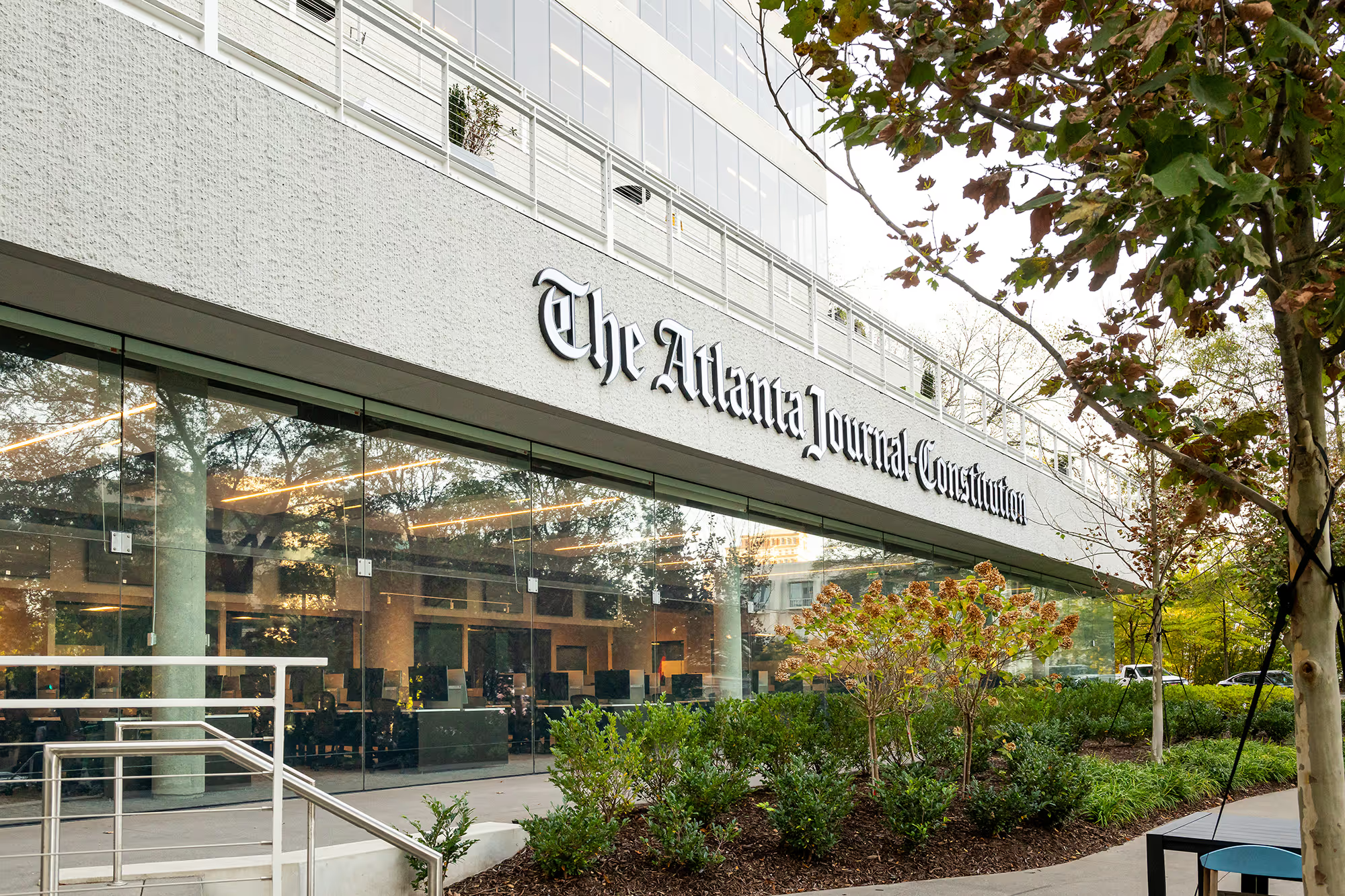
AJC Ads helps businesses connect with Atlanta audiences through trusted local journalism, digital advertising, newsletters, podcasts, branded content, sponsorships, and live events. Whether you're looking to increase brand awareness, launch a new product, or strengthen relationships within the community, our integrated marketing solutions help create meaningful connections that last long after the event ends.
Connect with our team to learn how a combined digital and event marketing strategy can help your brand stand out where it matters most.
FAQs
What is in-person marketing?
In-person marketing is a strategy that connects brands with customers through face-to-face interactions. It includes conferences, trade shows, workshops, community events, sponsorships, product launches, and experiential activations. These experiences help businesses build trust, answer questions in real time, and create stronger relationships with their audience.
What is in-person marketing called?
In-person marketing is often referred to as face-to-face marketing, experiential marketing, or event marketing, depending on the format and objective. While the terms are closely related, they all focus on creating meaningful interactions between brands and consumers in a physical setting.
What is event marketing?
Event marketing involves planning and promoting live experiences that help businesses connect with their target audience. Events can range from conferences and trade shows to educational seminars, networking events, product launches, community festivals, and sponsored experiences. A successful event supports broader marketing goals such as building brand awareness, generating leads, and strengthening customer relationships.
What should an event marketing plan include?
An effective event marketing plan begins well before the event itself. It typically includes audience targeting, promotional campaigns, registration strategies, speaker or sponsor announcements, social media content, email marketing, and post-event follow-up. The strongest plans also define success metrics such as qualified leads, attendee engagement, website traffic, and sales opportunities.
How do in-person events support digital marketing?
Live events create opportunities for content and engagement that extend far beyond the event day. Presentations can become blog posts, customer conversations can inform case studies, and event photos and videos can support social media, email campaigns, and future advertising. This allows marketers to continue engaging audiences long after the event has ended.